Treatments:
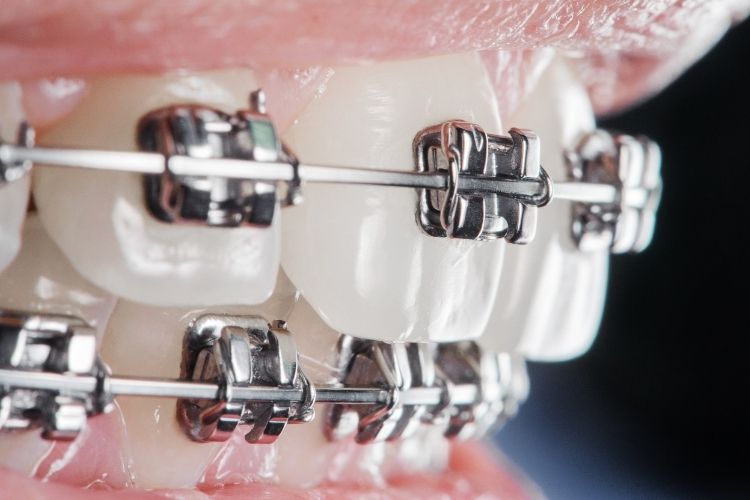
Orthodontic treatment straightens teeth and corrects bite problems, using braces or clear aligners worn over a period of months to a few years, depending on the case. It's one of the longer dental treatments, so how ongoing care is managed after your initial visit is something worth planning from the start.
Alp Medical Travel is a medical tourism facilitator, not a dental clinic. Examinations, diagnoses, treatment recommendations and procedures are carried out by our partner dental clinics and dentists in Türkiye. Our role is to coordinate your treatment journey and communication with the treating clinic.
Depending on your teeth and what you'd prefer, the dentist or orthodontist may discuss a few different approaches:
Because they don't need frequent in-person adjustment in the same way as fixed braces, some international patients find them more practical to manage from a distance.
Which option suits your case depends on the type of correction needed, your bite, and how the ongoing appointments would work for you. The treating dentist or orthodontist will recommend an approach after an assessment, and this is a good point to raise how you'd prefer to manage treatment once you're back home.
Orthodontic treatment can address crowded, crooked, or gapped teeth, as well as bite problems such as an overbite, underbite, or crossbite — improving both how the teeth look and how comfortably they function together.
Not every case can be fully corrected with braces or aligners alone. Where the underlying issue relates to jaw position rather than tooth position, the dentist or orthodontist may discuss this with you and, in some cases, refer you for a combined assessment involving orthodontic and jaw surgery. This applies to a minority of more complex cases rather than most patients seeking orthodontic treatment.
Not automatically. Any active gum disease or untreated decay is usually addressed before orthodontic treatment starts, since moving teeth through unhealthy gum or bone tissue can cause further problems. The amount of bone supporting the teeth can also affect how much movement is realistic.
Orthodontic treatment also relies heavily on your own involvement — wearing aligners as instructed, keeping brace appointments, and following your dentist or orthodontist's guidance. They will talk through what's realistic for your teeth and your circumstances before recommending a plan.
This is one of the most important things to plan before starting, since orthodontic treatment typically runs from several months to a few years — not something completed in a single trip.
Clear aligners tend to be the more practical option for patients travelling from abroad. A series of trays can often be provided in batches, with progress checked through periodic photos, video calls, or occasional in-person visits — needing far fewer face-to-face check-ins than fixed braces typically require.
Fixed braces are usually adjusted every four to eight weeks, so choosing this option generally means planning for regular return visits to Türkiye throughout treatment, which can run from around a year to two years depending on the case. This is worth weighing up carefully against how often you're realistically able to travel before deciding between fixed braces and clear aligners.
Your treating dentist or orthodontist and your Alp Medical Travel coordinator will talk through what's realistic for your situation before treatment begins, so you have a clear plan for the months or years after your first visit, not just for the initial appointment.
Some discomfort or tenderness for a few days after braces are first fitted, or after each adjustment, is common, and usually settles on its own. Clear aligners can feel tight when you switch to a new set, which typically eases within a day or two.
If you experience a broken bracket, a wire poking into your cheek, or discomfort that doesn't settle, contact whichever dentist or orthodontist is currently managing your care — this is worth sorting out promptly rather than waiting for your next planned visit.
Alongside your regular appointments, general care during orthodontic treatment includes:
Once active treatment finishes, teeth naturally tend to shift back over time unless a retainer is worn, so retention is a long-term part of the plan rather than an optional extra. Your dentist or orthodontist will explain what's recommended for your case, and your Alp Medical Travel coordinator remains your point of contact for any questions.
You will have one named coordinator from your first enquiry through your return home. With your consent, we arrange the preliminary review of your case by a partner dental clinic and coordinate:
This means you know who to contact at each stage without having to explain your case again to a new person.
Cost depends on the type of treatment, how long it's expected to take, and how many appointments are involved. Because orthodontic treatment runs over such a long period, it's worth clarifying exactly what's included from the outset — for example, the number of adjustment visits, any mid-treatment refinements, retainers, and what happens if an aligner is lost or a bracket breaks.
Following a preliminary review, the partner dental clinic will prepare the proposed treatment and costs, and Alp Medical Travel will coordinate an itemised quotation showing what's included, along with any travel-support services. The final treatment plan and price are confirmed after your clinical examination in Türkiye.
This page provides general information and does not replace an examination, diagnosis, or individual advice from a qualified dentist or orthodontist.