Treatments:
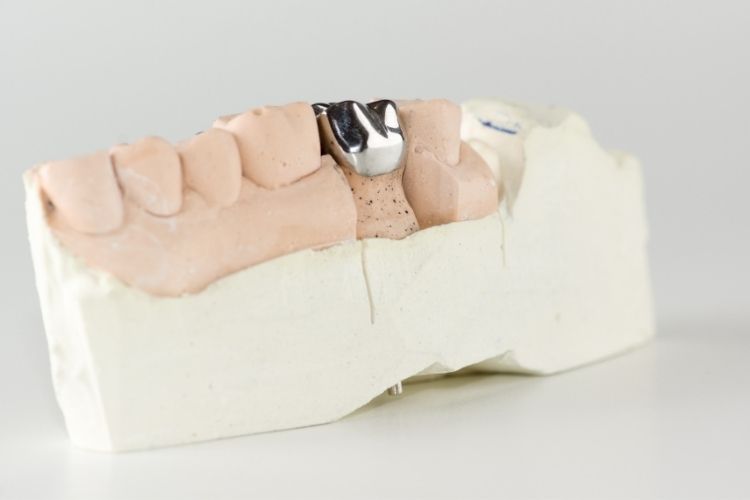
A dental crown is a custom-made restoration that covers and protects a prepared natural tooth. Crowns may be recommended when decay, a fracture, or a large existing filling has left too little healthy tooth structure for a filling alone. A crown can also be attached to a dental implant, although implant-supported crowns follow a different assessment and treatment process.
Alp Medical Travel is a medical tourism facilitator, not a dental clinic. Examinations, diagnoses, treatment recommendations and procedures are carried out by our partner dental clinics and dentists in Türkiye. Our role is to coordinate your treatment journey and communication with the treating clinic.
There isn't a single "best" crown material — it depends on which tooth is being treated and what the dentist finds during examination. The options usually discussed are:
Some patients end up with a mix — zirconia at the back, lithium disilicate further forward — depending on what the dentist recommends after looking at the case. The treating dentist decides which material is appropriate. Your Alp Medical Travel coordinator will help you understand the proposed plan and coordinate the next steps.
A crown is generally recommended when a tooth has lost enough structure that a filling wouldn't hold, or where the tooth needs protecting from further damage. Common reasons include a cracked or heavily restored tooth, a tooth that needs additional protection following root canal treatment, or a tooth being used to support a dental bridge. It can also be used where the shape or colour of a tooth is a concern, though whitening or a veneer might be suggested first if the underlying tooth is otherwise sound.
How long a crown lasts and how well it performs depends on the individual case — bite forces, the material chosen, how much of the natural tooth remains underneath, and how it's looked after. Your dentist will talk you through what's realistic for your specific tooth.
Not necessarily, and this is exactly why the process starts with an assessment rather than a quote. If too much of the tooth has broken down, the dentist may need to build up the core first. If the tooth cannot be predictably restored, the dentist may discuss extraction and suitable replacement options, which can include an implant or a dental bridge. Gum disease or untreated decay elsewhere in the mouth is usually addressed before crown work goes ahead, and if the nerve is affected, root canal treatment may need to happen first.
If your case needs an extra step before the crown itself, the dentist will explain why, and your coordinator will help you understand how that changes the plan and the timeline.
The tooth is reshaped to make room for the crown — a layer is removed from the outer surface, on every side, which is more involved than the shaping done for a veneer. This step can't be undone: once a tooth has been prepared for a crown, it will need some form of crown or covering from then on.
After the tooth is shaped, an impression or digital scan is taken. Some partner clinics can design and mill a crown on the same day using CAD/CAM technology; in other cases, the crown is made in a dental laboratory and a temporary crown is fitted in the meantime. Which route applies to you depends on the material chosen and the clinic carrying out your treatment. Local anaesthetic is usually used during tooth preparation. Temporary sensitivity may occur afterwards. Persistent or worsening pain, swelling, or a bite that feels too high should be reported to the treating clinic. Once the crown is ready, the dentist checks the fit, colour and bite before cementing it permanently.
Most patients return to their usual activities soon after treatment. Your dentist may advise you to avoid hard or sticky foods for a period of time, particularly while wearing a temporary crown. Temporary sensitivity can occur, and the bite may feel unfamiliar at first. If the crown feels loose or your bite feels too high, contact the treating clinic rather than waiting for it to settle.
The clinic will give you specific aftercare instructions before you leave Türkiye, but the general advice for crowns tends to include:
If something feels off after you're back — discomfort, a change in your bite, anything unusual — your Alp Medical Travel coordinator is still your point of contact and can help arrange communication with the treating clinic.
You will have one named coordinator from your first enquiry through your return home. With your consent, we arrange the preliminary review of your case by a partner dental clinic and coordinate:
This means you know who to contact at each stage without having to explain your case again to a new person.
Cost depends on the material, how many teeth are involved, and whether anything needs doing beforehand — a root canal or a core build-up, for example. Following a preliminary review, the partner dental clinic will prepare the proposed treatment and dental costs. Alp Medical Travel will coordinate an itemised quotation showing the proposed dental treatment and any included travel-support services. The final plan and price are confirmed after your clinical examination in Türkiye.
This page provides general information and does not replace an examination, diagnosis, or individual advice from a qualified dentist.